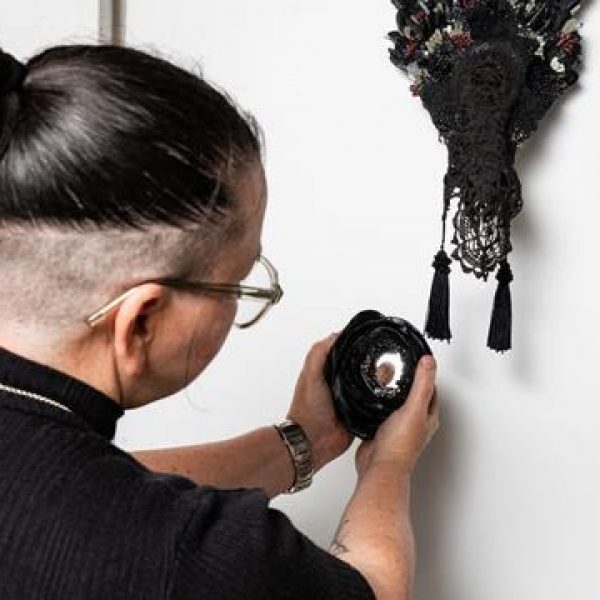
Side Gallery is pleased to present Pressure Points, a new exhibition by represented artist Carolyn V Watson.
Playful in intent yet grounded in lived experience, Pressure Points by Carolyn V Watson departs from the heaviness of earlier career work. The ambiguity of hybrid chimera forms remains, and the burden of unspoken tension has shifted. In its place is a quiet assertion of self-reliance—an insistence on testing the limits of skill, endurance and perception. Beneath the work is an acceptance of limitation without surrender; a recognition of constraint as something to negotiate rather than resist. These works are not only points of pressure, but points of transition: acts of reclamation that transform endurance into agency.
Experience Carolyn V Watson’s upcoming exhibition from Thursday, 21 May to Saturday, 30 May 2026.
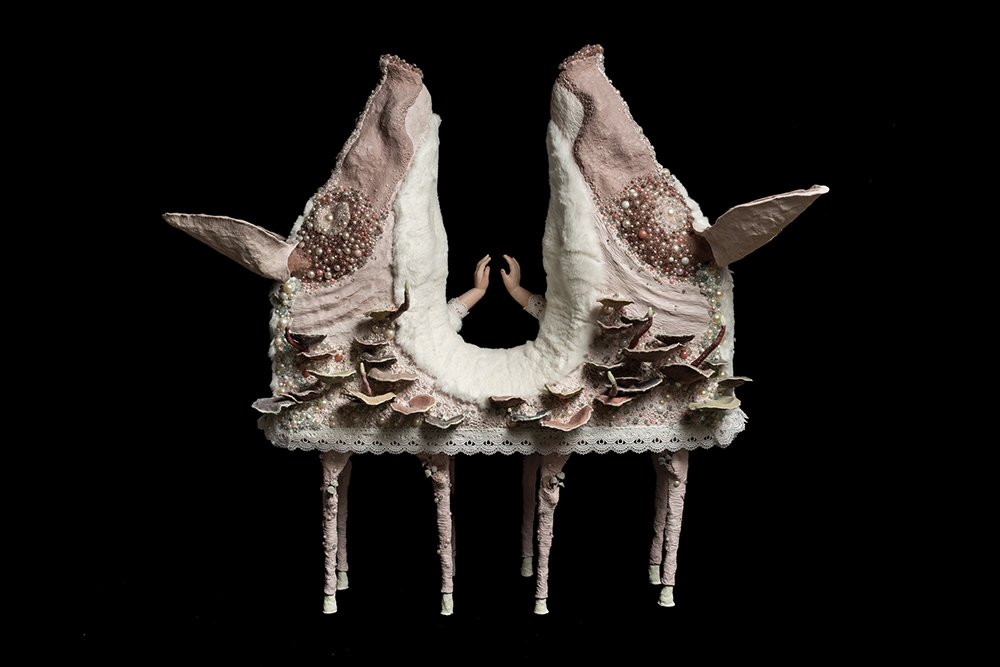
Little one and the long keeping 2026
Epoxy clay, armature wire, taxidermy foam forms, plywood, half pearls, half beads, glass spheres, porcelain spheres, faux fur, lace, porcelain doll hands, phosphorescent pigment, phosphorescent beads, matt varnish, gloss varnish colourfix primer
90 x 96 x 46 cm
$4,000
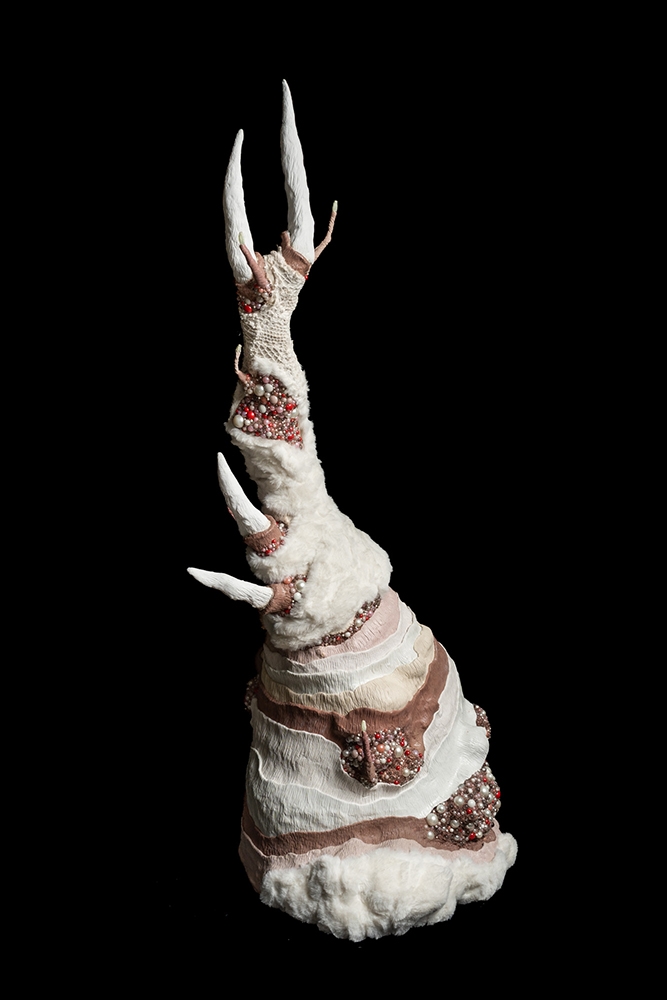
Where did you go and where are you now (Branch antler queen) 2026
Epoxy clay, armature wire, expandable foam, plywood, half pearls, half beads, glass spheres, porcelain spheres, faux fur, doilies, phosphorescent pigment, phosphorescent beads, matt varnish, gloss varnish colourfix primer
110 x 52 cm
$2,500
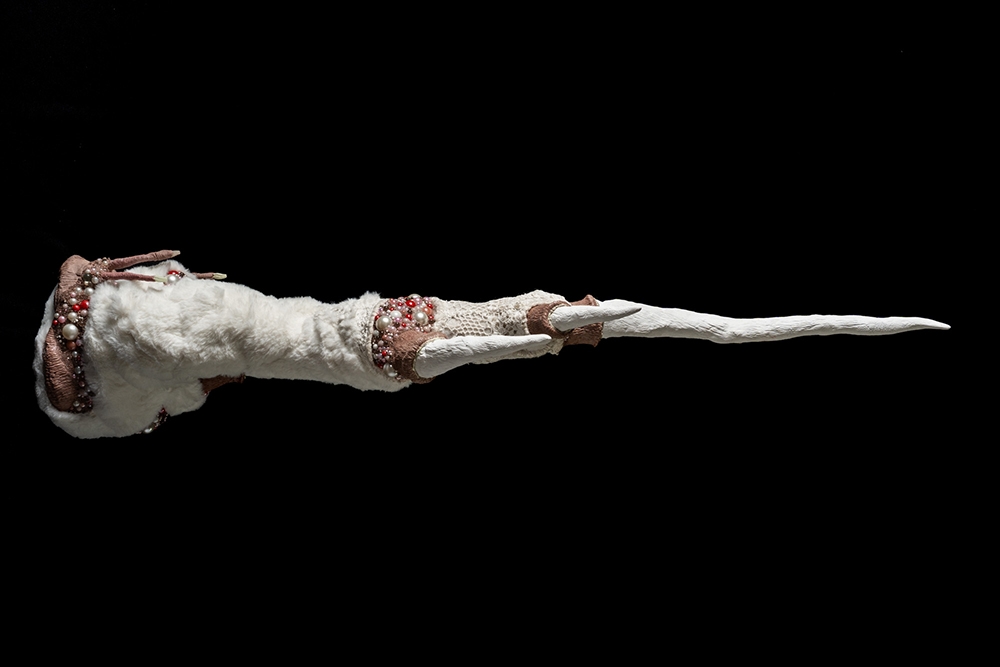
Because the night (Branch antler #1) 2026
Epoxy clay, armature wire, expandable foam, plywood, half pearls, half beads, glass spheres, porcelain spheres, faux fur, doilies, phosphorescent pigment, phosphorescent beads, matt varnish, colourfix primer
95 x 24 cm
$800
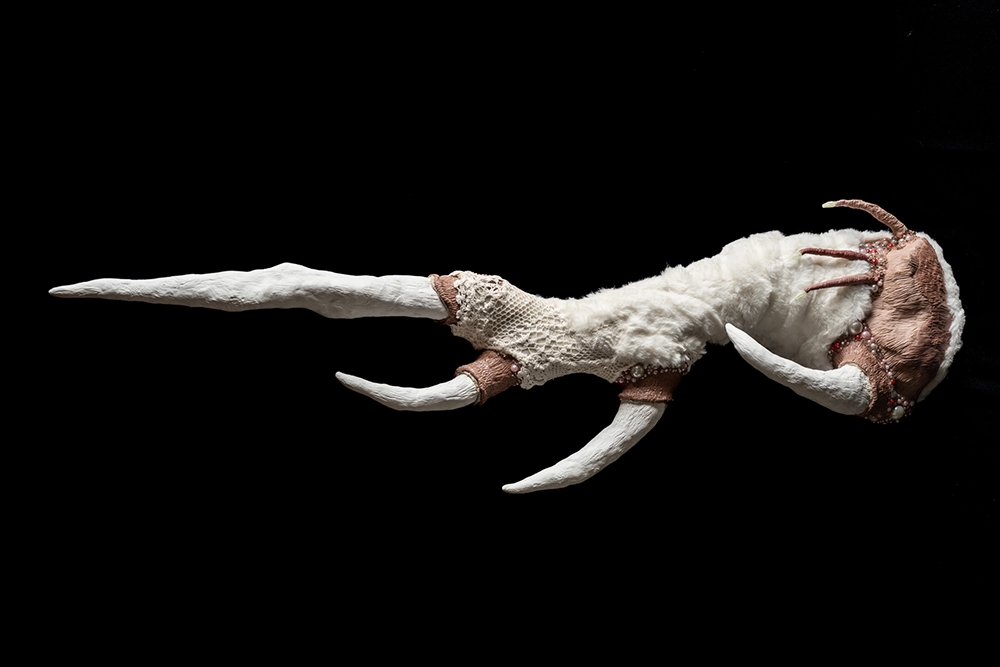
By her hand (Branch antler #2) 2026
Epoxy clay, armature wire, expandable foam, plywood, half pearls, half beads, glass spheres, porcelain spheres, faux fur, doilies, phosphorescent pigment, phosphorescent beads, matt varnish, colourfix primer
94 x 23 cm
$800
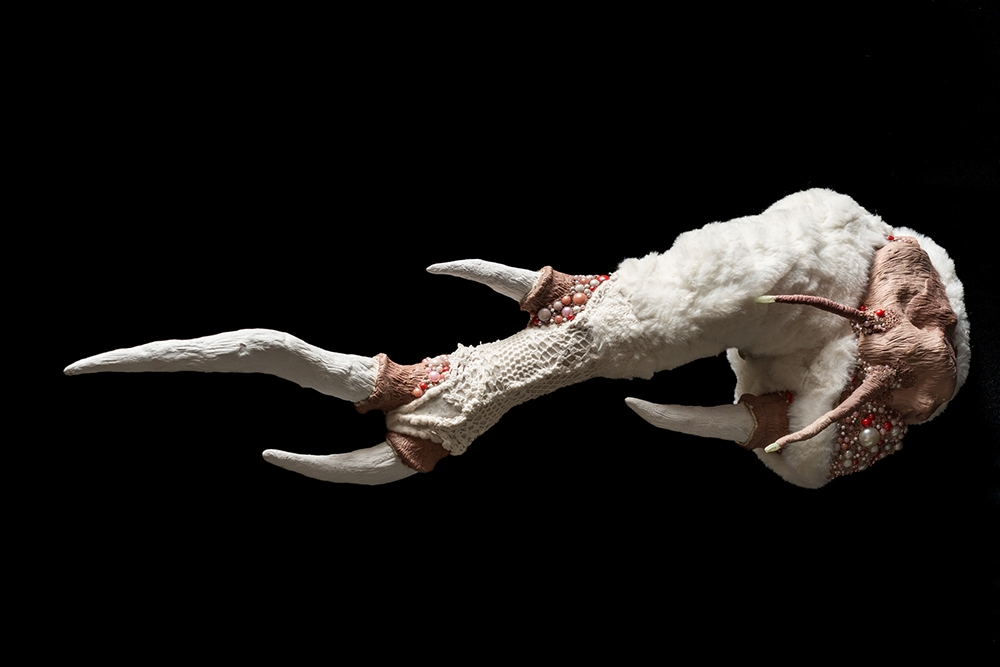
Mantra to stand (Branch antler #3) 2026
Epoxy clay, armature wire, expandable foam, plywood, half pearls, half beads, glass spheres, porcelain spheres, faux fur, doilies, phosphorescent pigment, phosphorescent beads, matt varnish, colourfix primer
74 x 28 cm
$800
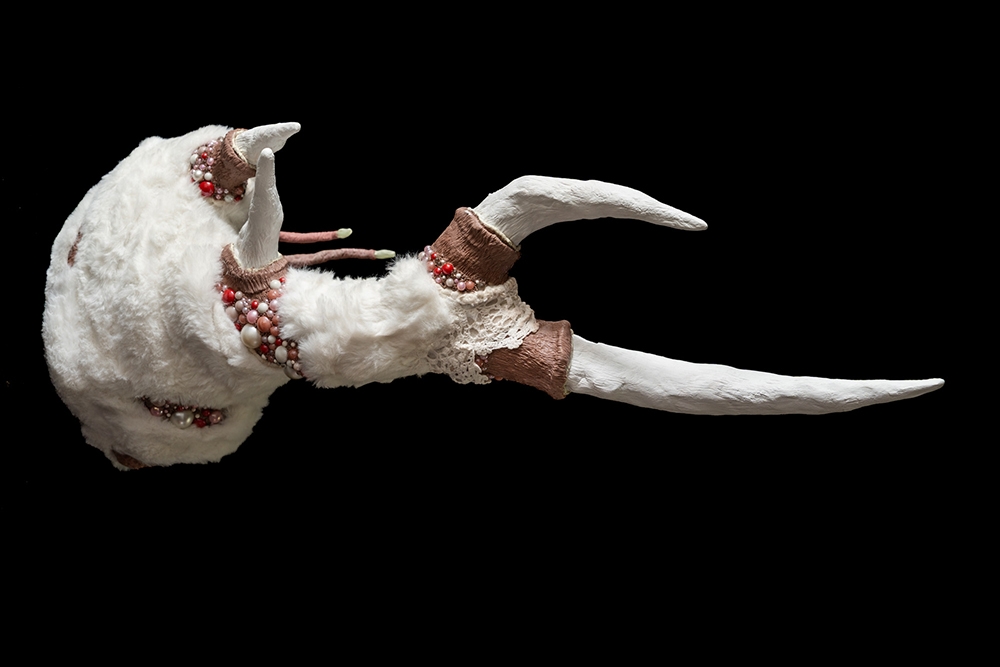
Held healed (Branch antler #4) 2026
Epoxy clay, armature wire, expandable foam, plywood, half pearls, half beads, glass spheres, porcelain spheres, faux fur, doilies, phosphorescent pigment, phosphorescent beads, matt varnish, colourfix primer
61 x 24 cm
$700
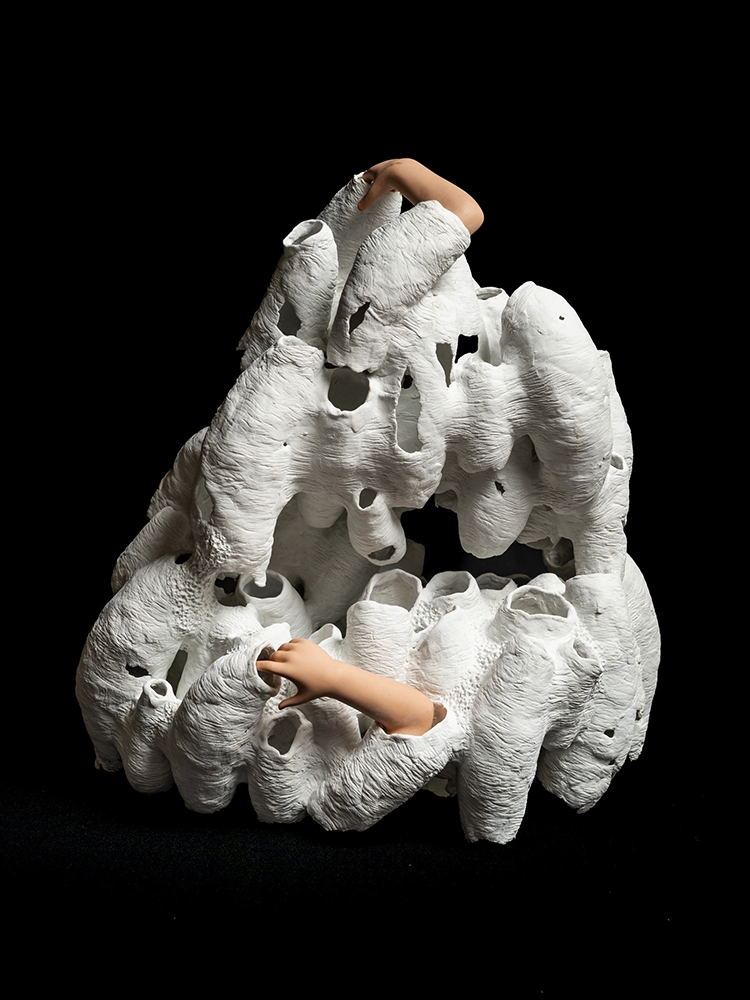
Self help heart whole 2026
Epoxy clay, phosphorescent pigment, porcelain doll hands, white colourfix paint
43 x 42 x 26 cm
$1,800
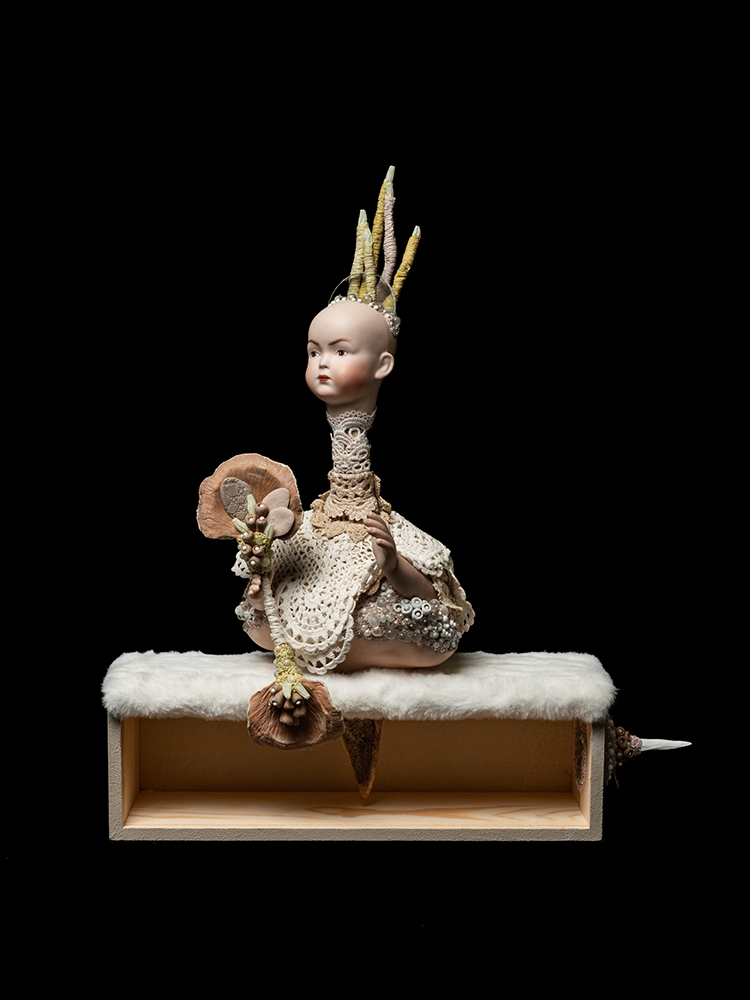
As though the body could become a shrine (Sweet baby Shiv) 2026
Epoxy clay, phosphorescent pigment, phosphorescent beads, half beads, half pearls, glass spheres, porcelain spheres, doilies, faux fur, porcelain doll head, magnifying glass, porcelain doll hands, antler piece
51 x 45 x 16 cm
$900
 Sold
Sold
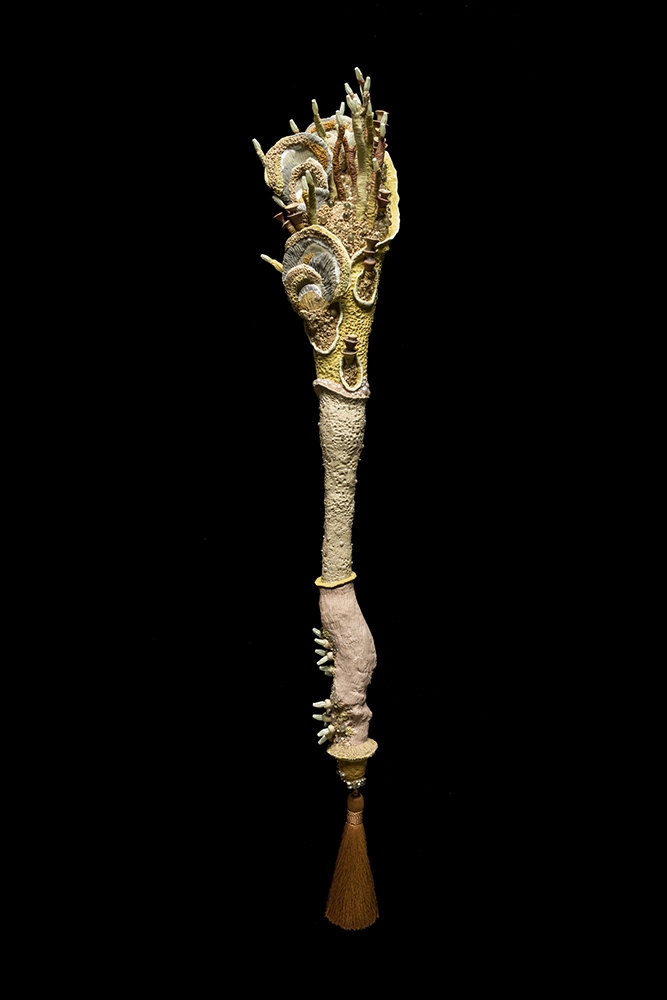
Phantom limb feels (Sceptre 1) 2026
Epoxy clay, phosphorescent pigment, phosphorescent beads, half beads, half pearls, glass spheres, porcelain spheres, taxidermy foam, matt varnish, tassel
85 x 18 x 18 cm
$800 Sold
 Sold
Sold
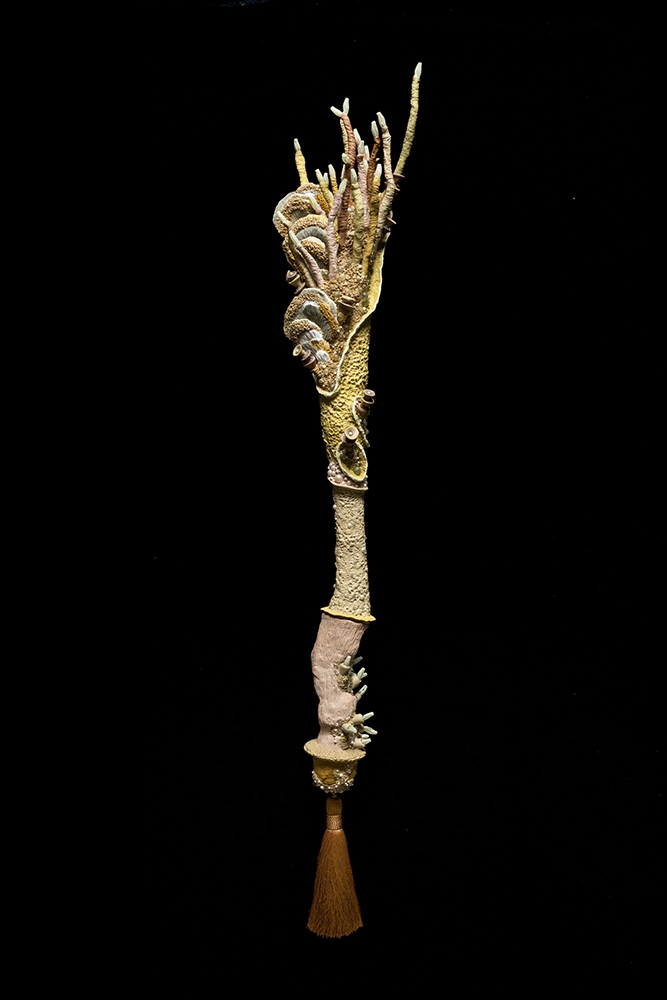
The wait of the crack (Sceptre 2) 2026
Epoxy clay, phosphorescent pigment, phosphorescent beads, half beads, half pearls, glass spheres, porcelain spheres, taxidermy foam, matt varnish, tassel
85 x 18 cm x 16
$800 Sold
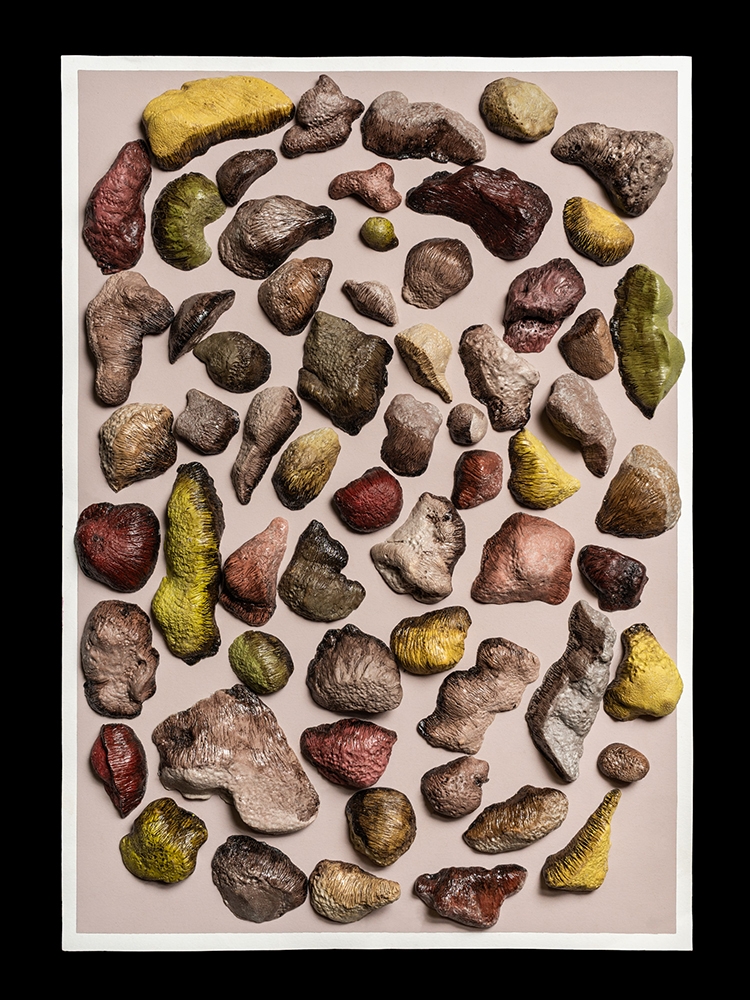
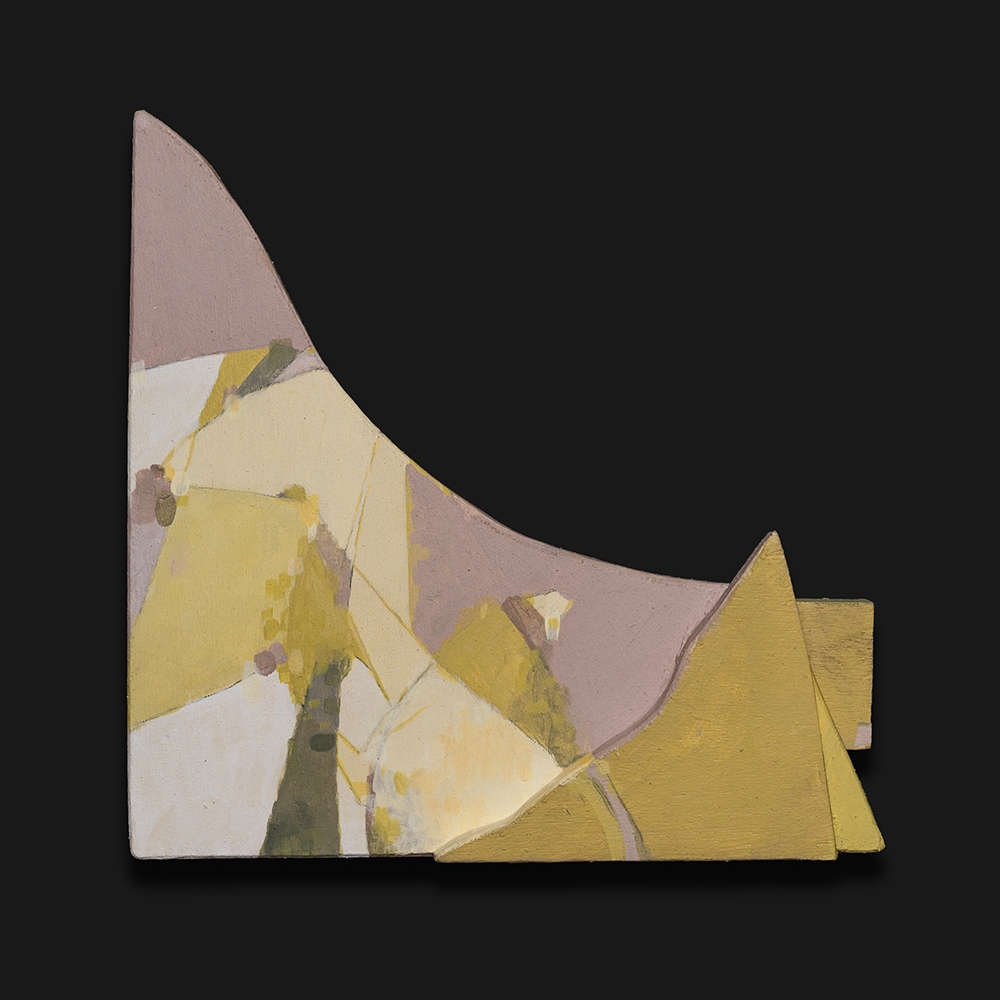
Body rubble 2026
Epoxy clay, expandable foam off cuts, ink, matt varnish, gloss varnish
73 x 52 cm
POA
 Sold
Sold
The concoction 2026
Colourfix primer ink, plywood, reclaimed timber, matt varnish, gloss varnish, rare earth magnet
23 x 23 cm
$350 Sold
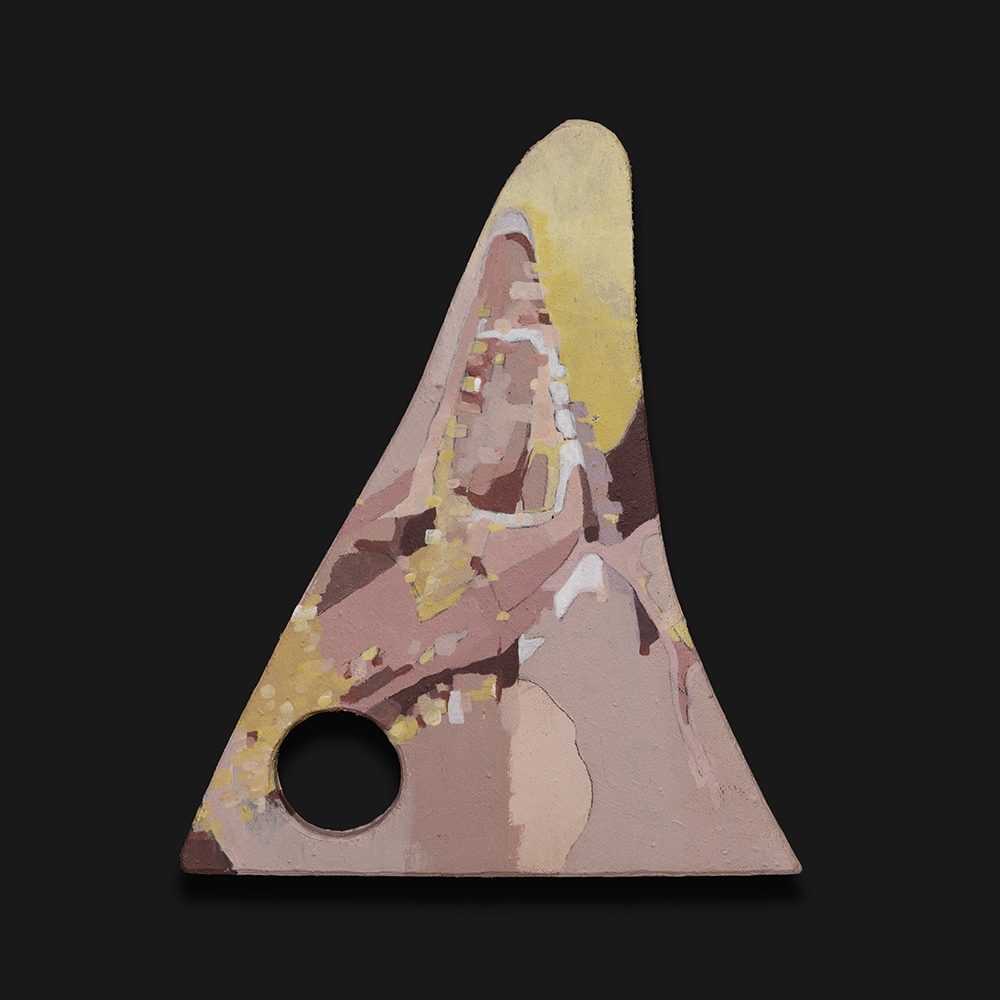
Experiment in terror 2026
Colourfix primer ink, plywood, reclaimed timber, matt varnish, gloss varnish, rare earth magnet
22 x 18 cm
$350
 Sold
Sold
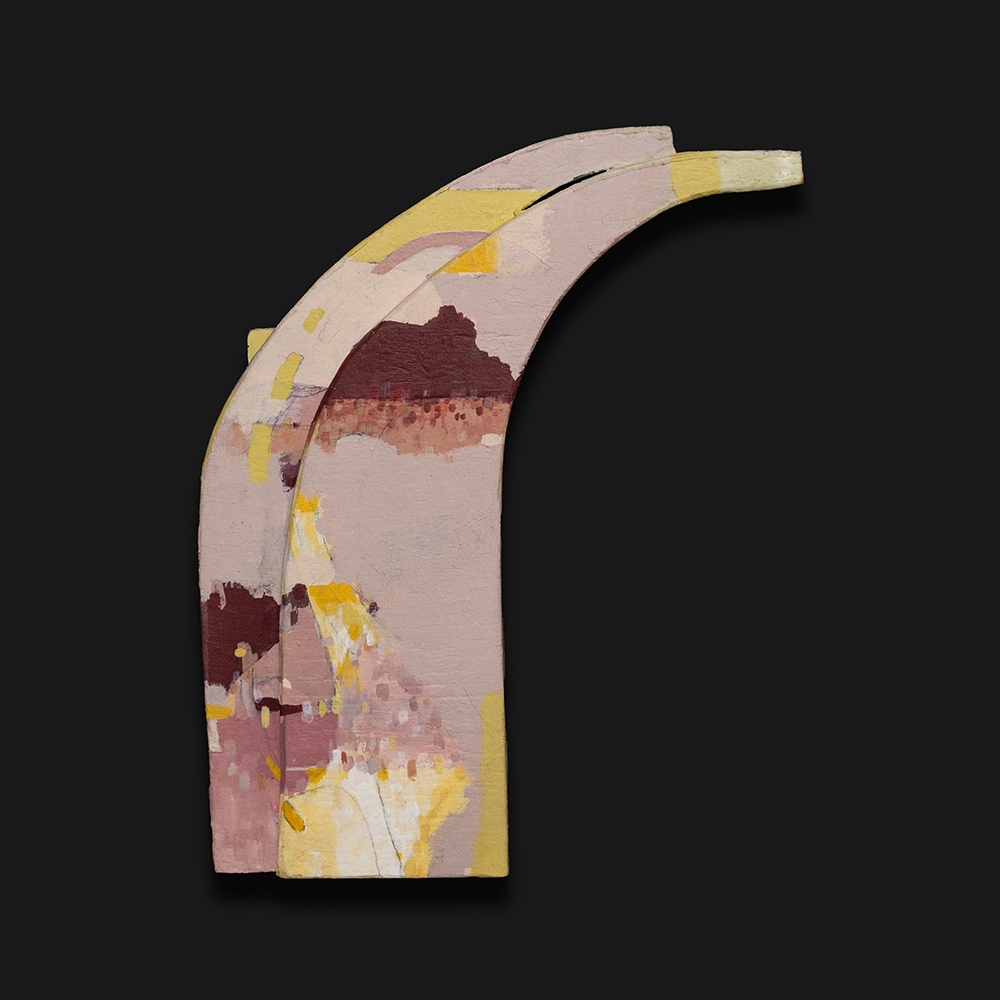
Napalm Sky 2026
Colourfix primer ink, plywood, reclaimed timber, matt varnish, gloss varnish, rare earth magnet
20 x 14 cm
$275 Sold
 Sold
Sold
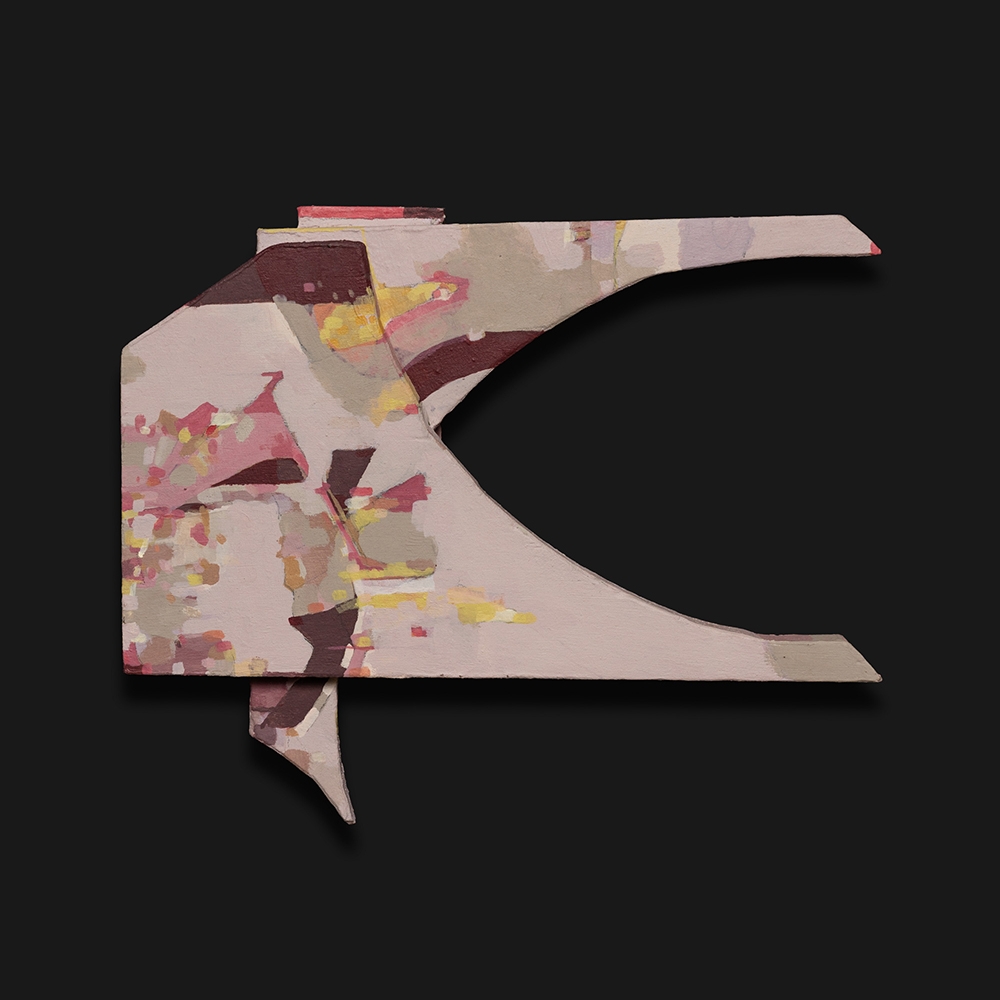
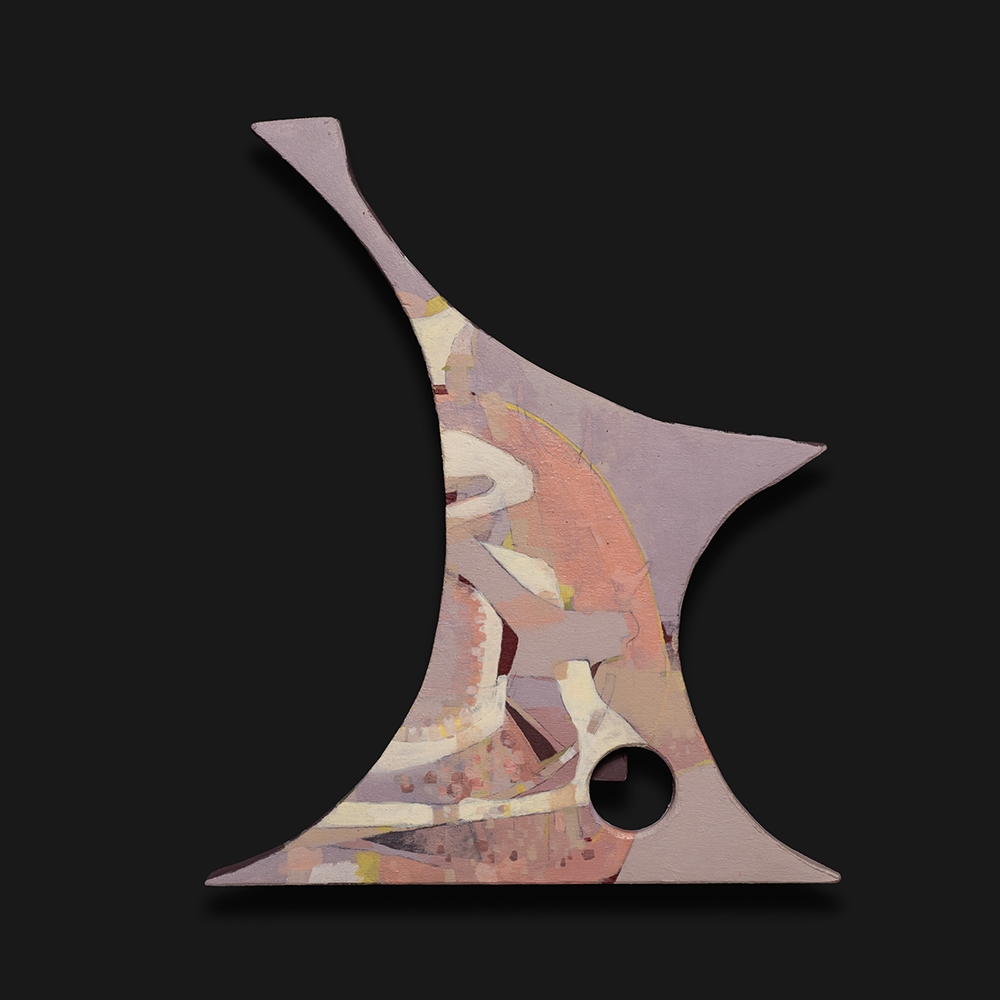
The Orb of Dreamers 2026
Colourfix primer ink, plywood, reclaimed timber, matt varnish, gloss varnish, rare earth magnet
22 x 26 cm
$350 Sold
 Sold
Sold
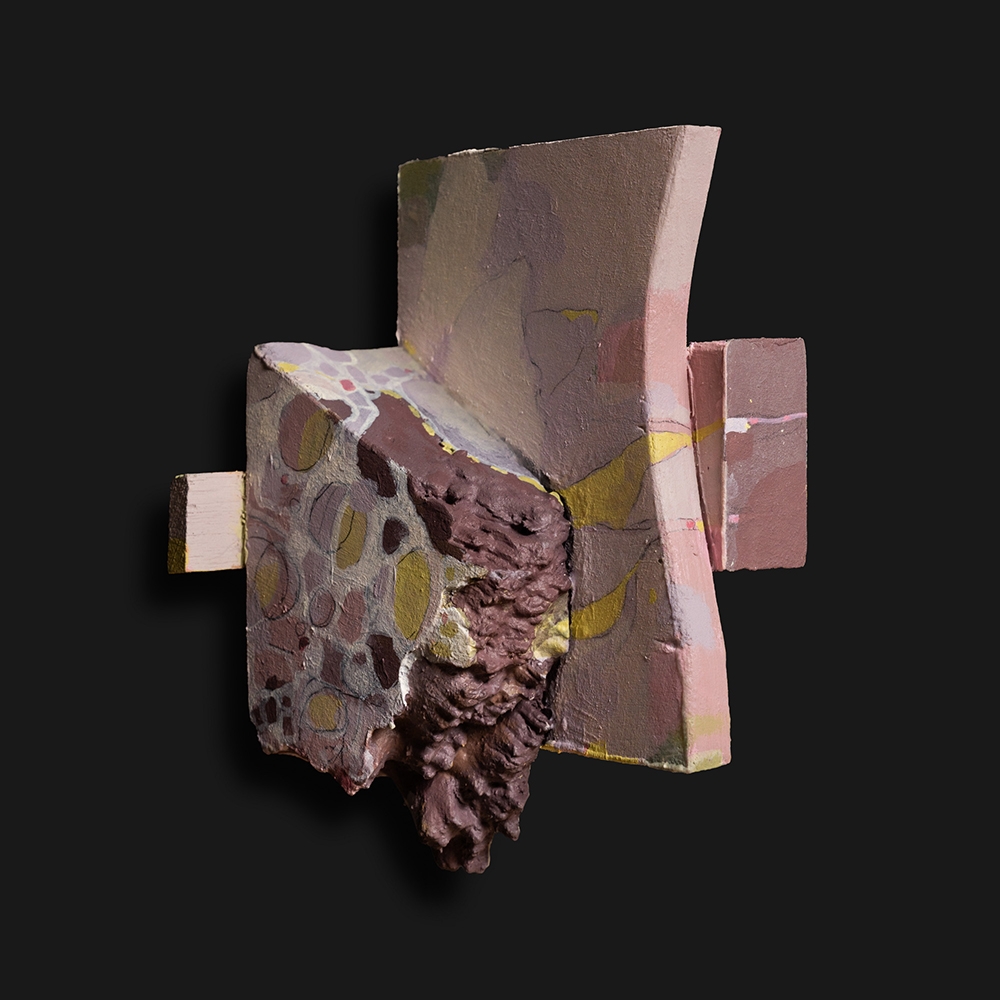
The countdown (Instrumental) 2026
Colourfix primer ink, plywood, reclaimed timber, matt varnish, gloss varnish, rare earth magnet
34 x 29 cm
$375 Sold
 Sold
Sold
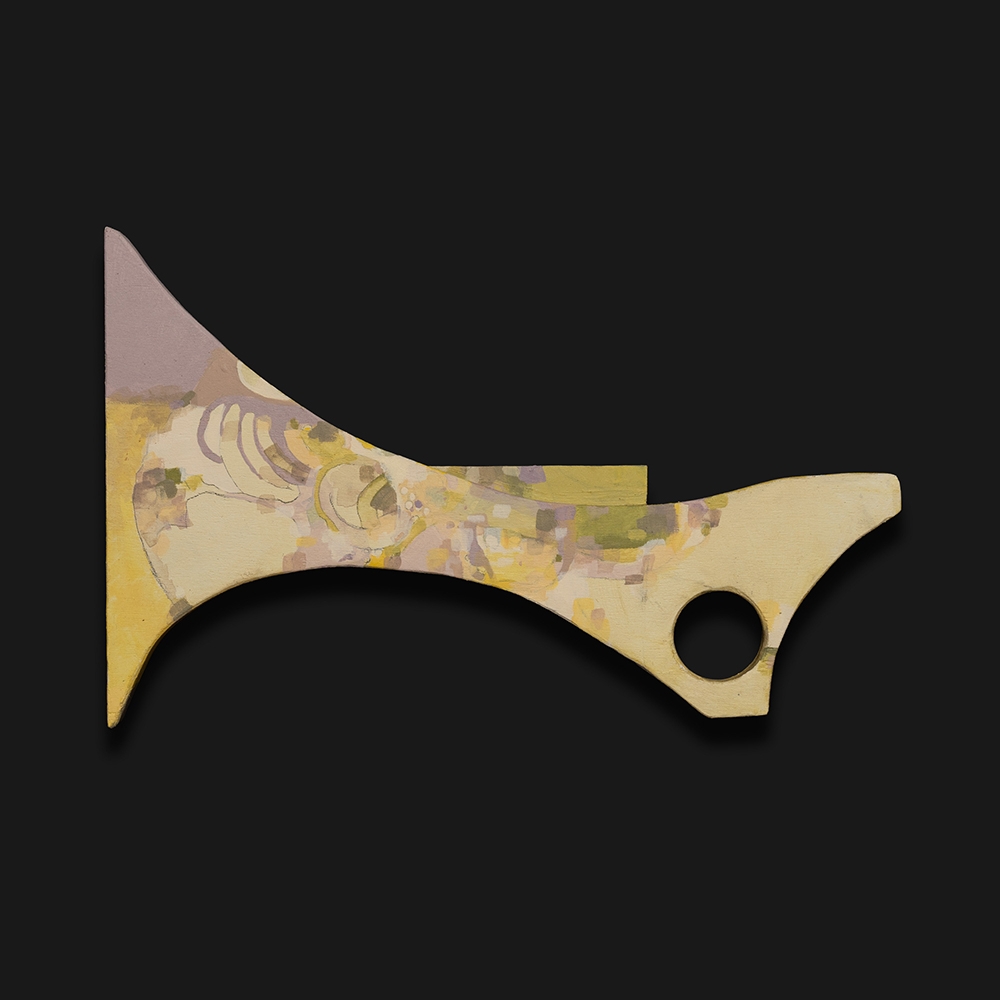
Bodies of water 2026
Colourfix primer ink, plywood, reclaimed timber, matt varnish, gloss varnish, rare earth magnet
17 x 10 cm
$200 Sold
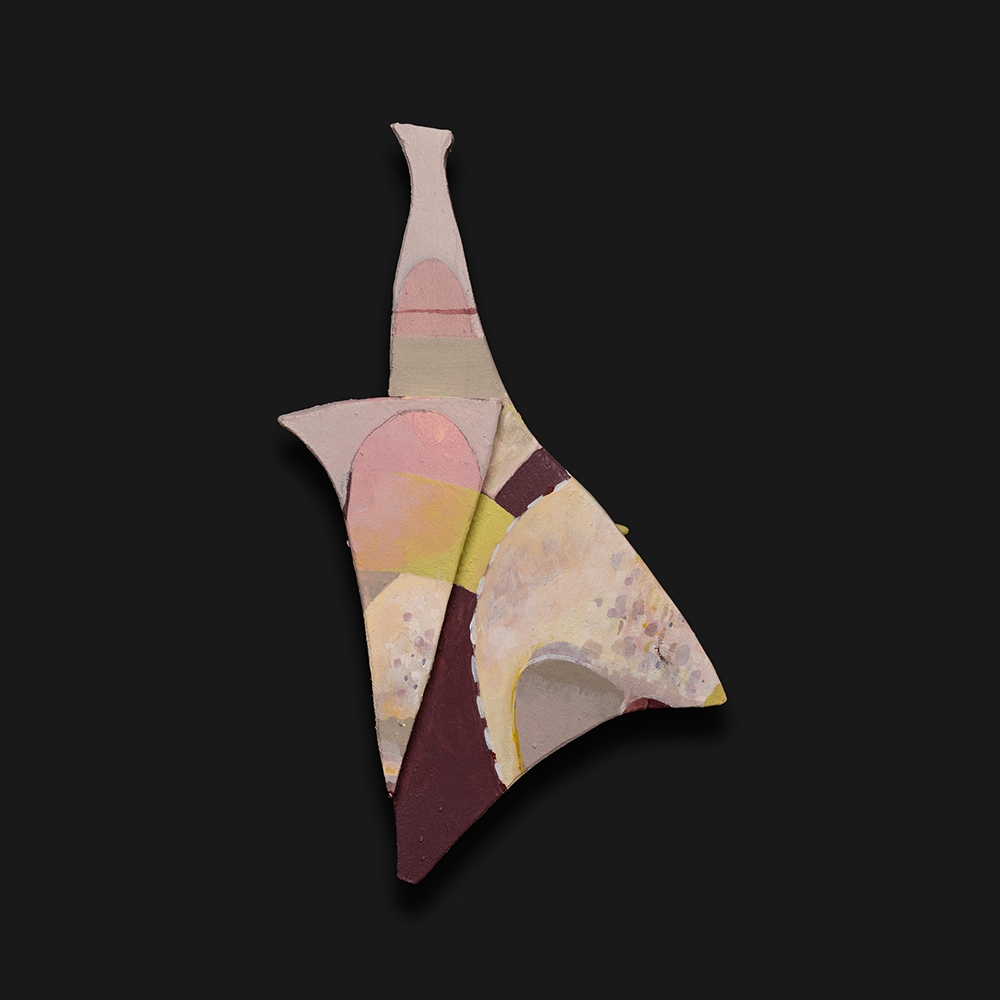
711 2026
Colourfix primer ink, plywood, reclaimed timber, matt varnish, gloss varnish, rare earth magnet 2026
22 x 34 cm
$350
 Sold
Sold
Forget me not 2026
Colourfix primer ink, plywood, reclaimed timber, matt varnish, gloss varnish, rare earth magnet
14 x 23 cm
$240 Sold
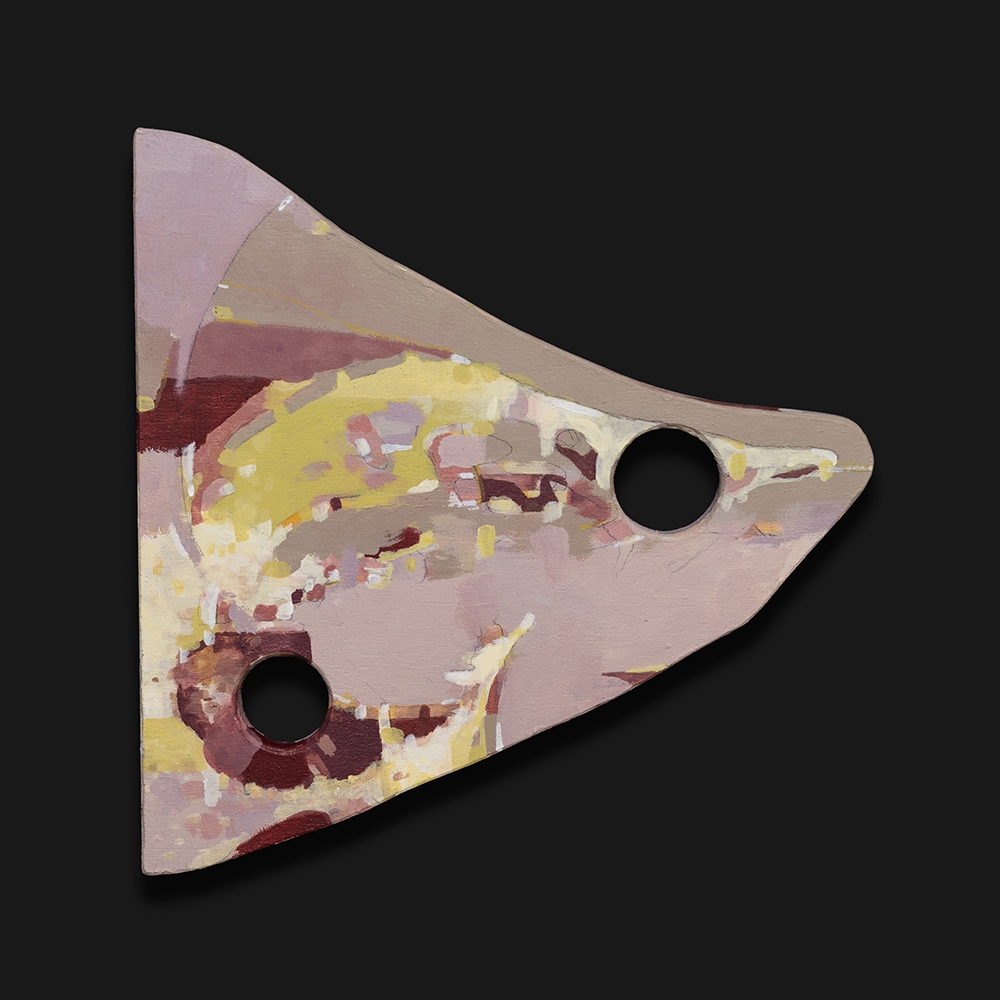
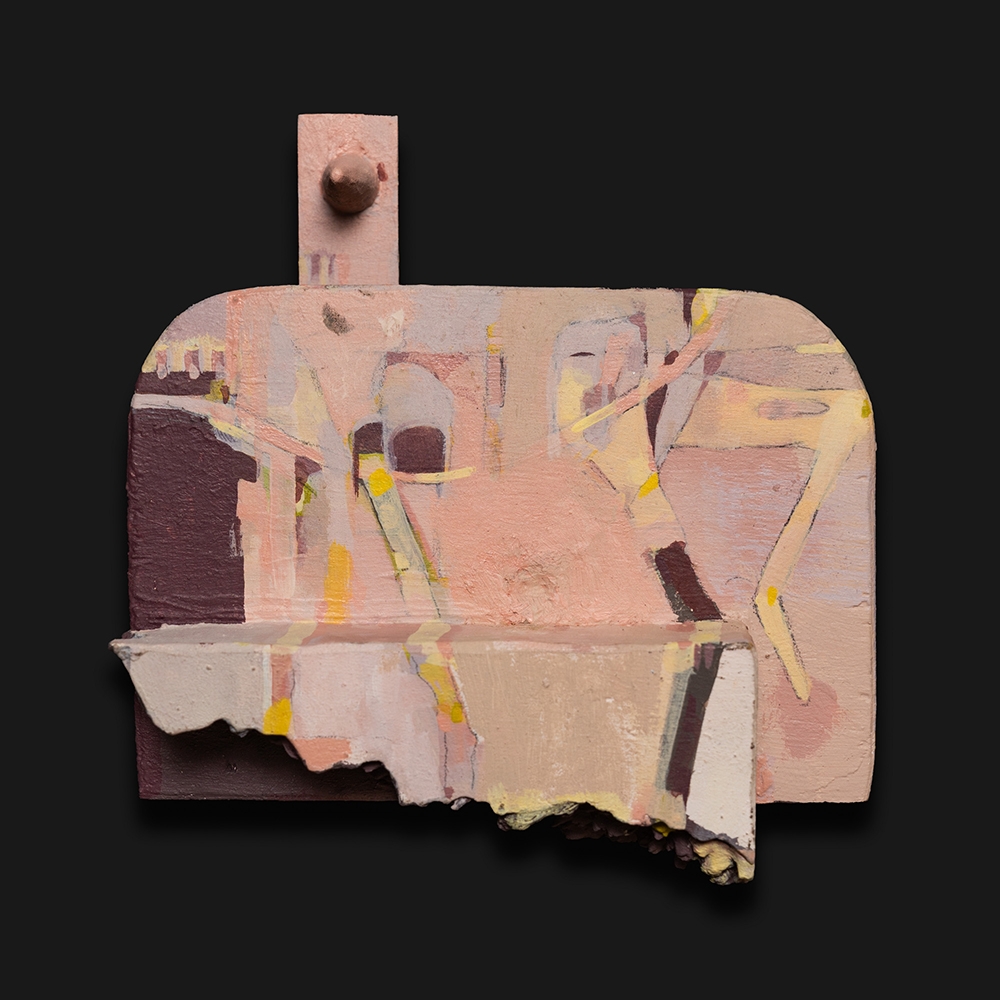
Antitaxi 2026
Colourfix primer ink, plywood, reclaimed timber, matt varnish, gloss varnish, rare earth magnet 2026
27 x 27 cm
$350
 Sold
Sold
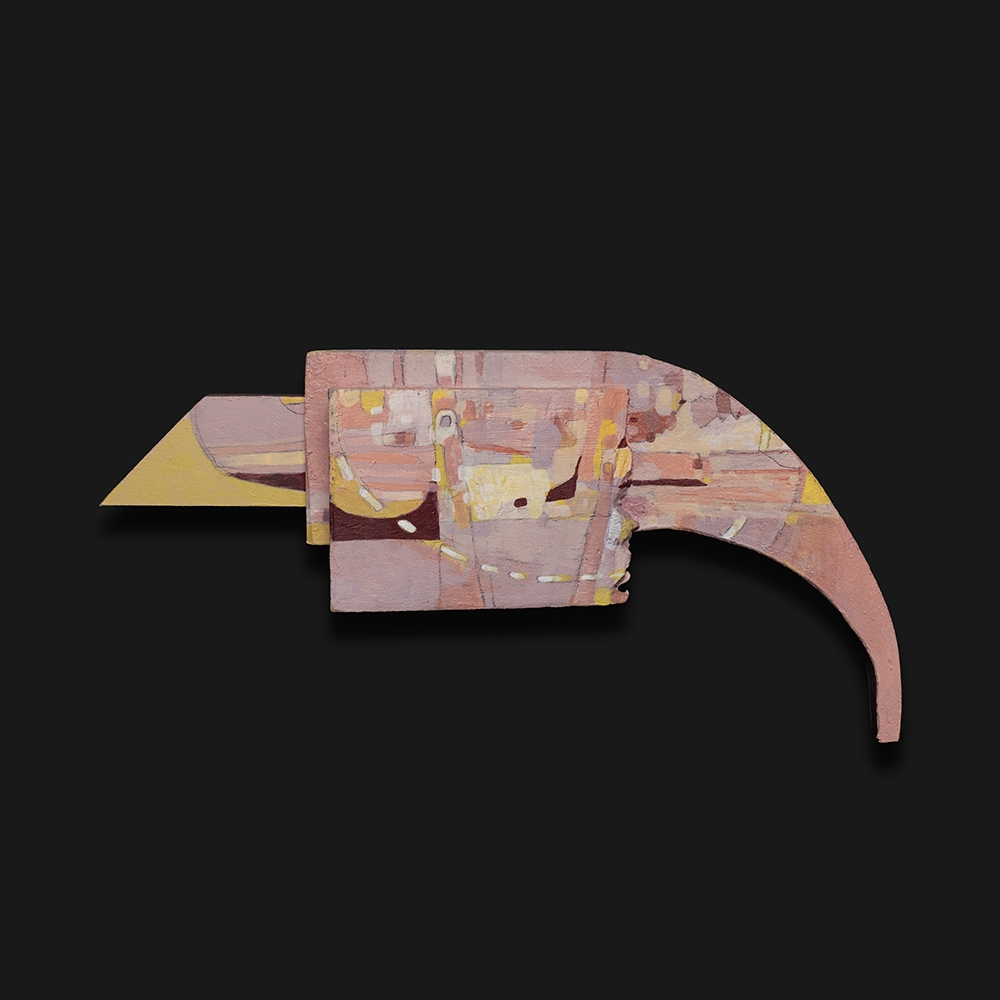
Trick Pony 2026
Colourfix primer ink, plywood, reclaimed timber, matt varnish, gloss varnish, rare earth magnet
13 x 14 cm
$220 Sold
 Sold
Sold
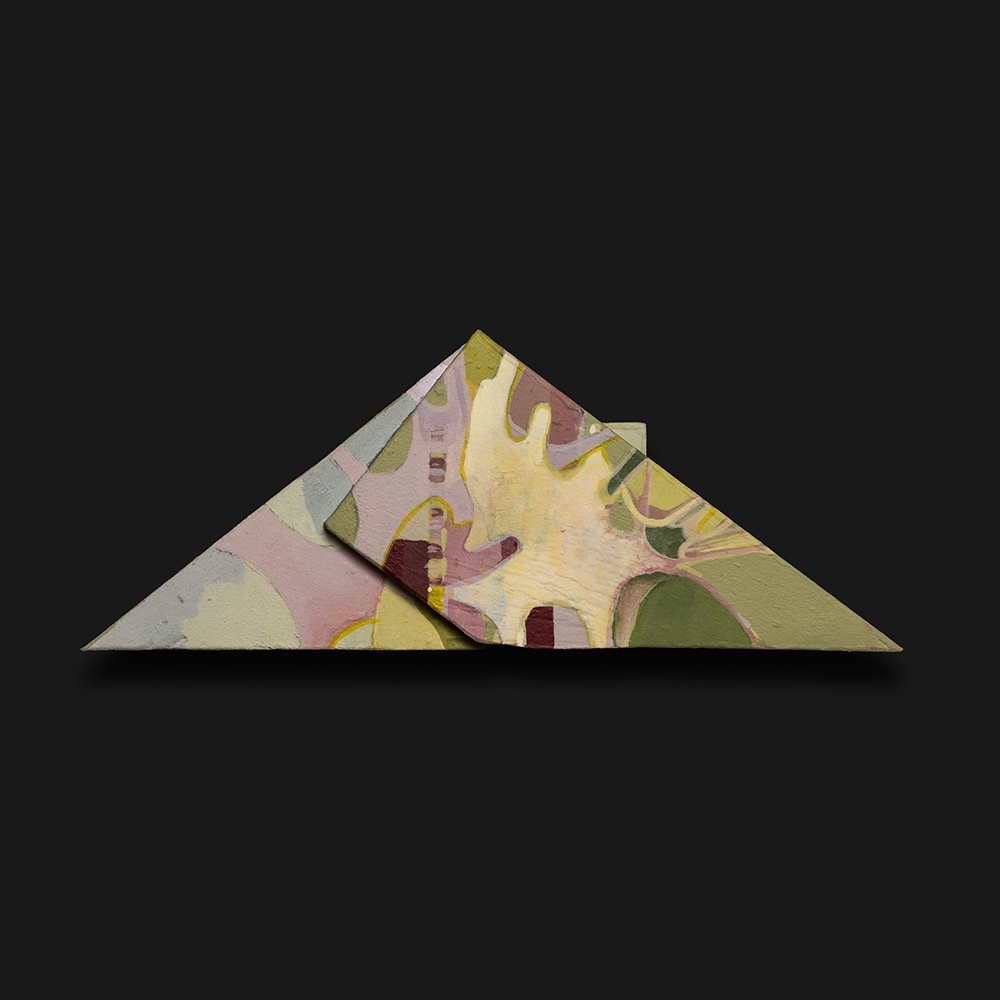
Mysterious place 2026
Colourfix primer ink, plywood, reclaimed timber, matt varnish, gloss varnish, rare earth magnet
10 x 30 cm
$250 Sold
 Sold
Sold
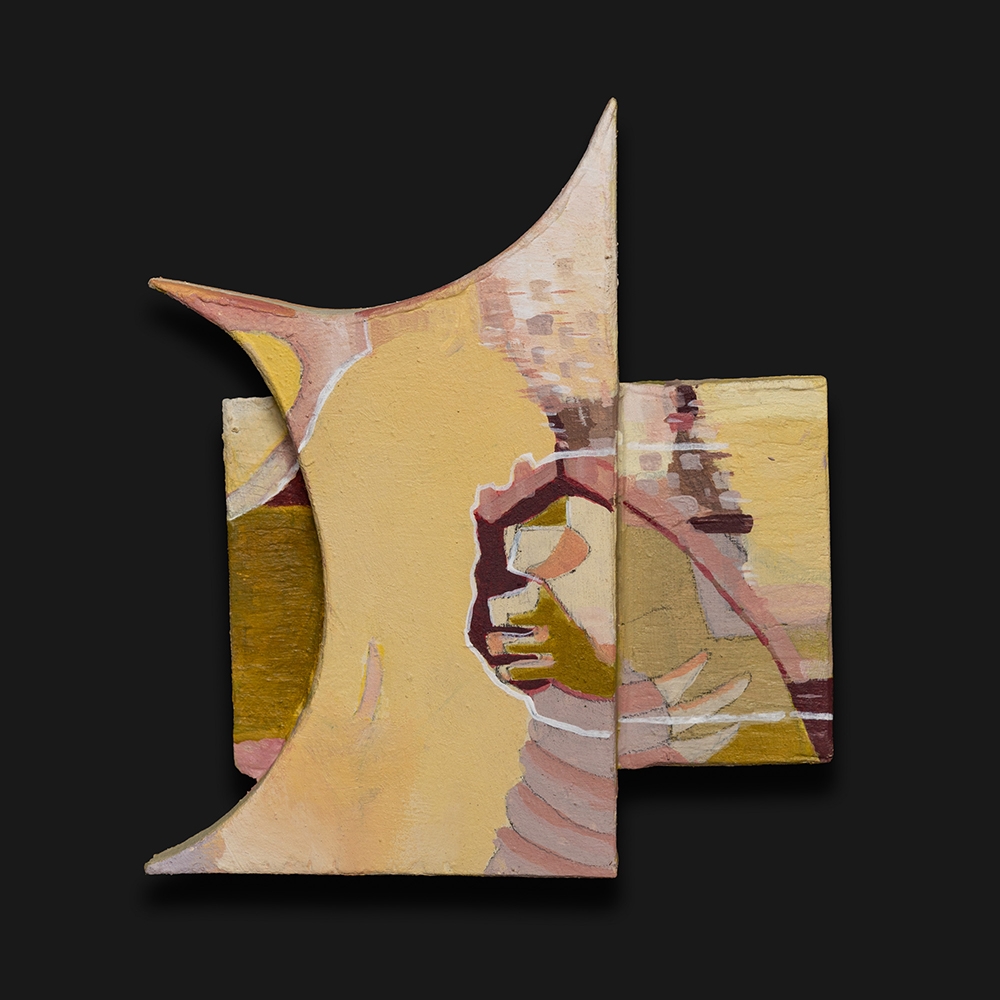
Whistle Stop but its lo fi (Robin Hood) 2026
Colourfix primer ink, plywood, reclaimed timber, matt varnish, gloss varnish, rare earth magnet 25x21cm
10 x 25 cm
$220 Sold
 Sold
Sold
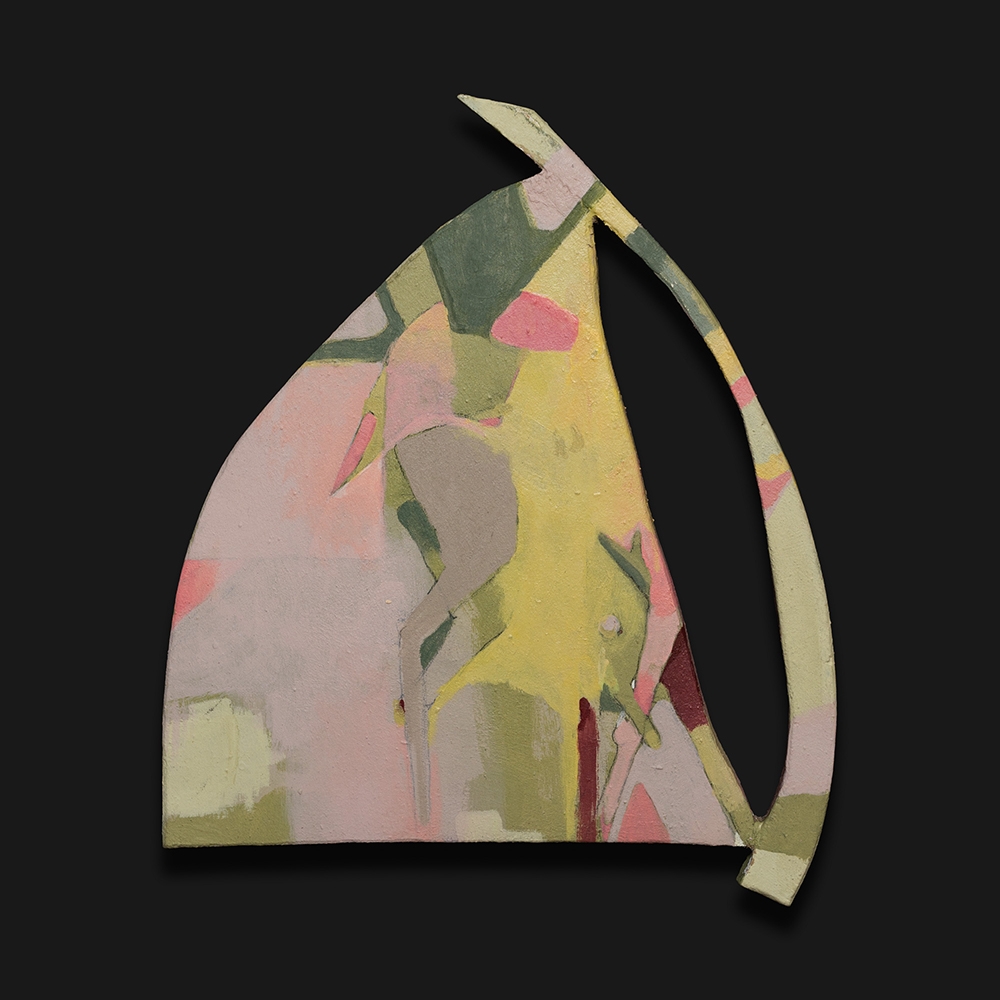
Frontier Psychiatrist 2026
Colourfix primer ink, plywood, reclaimed timber, matt varnish, gloss varnish, rare earth magnet
12 x 11 cm
$220 Sold
 Sold
Sold
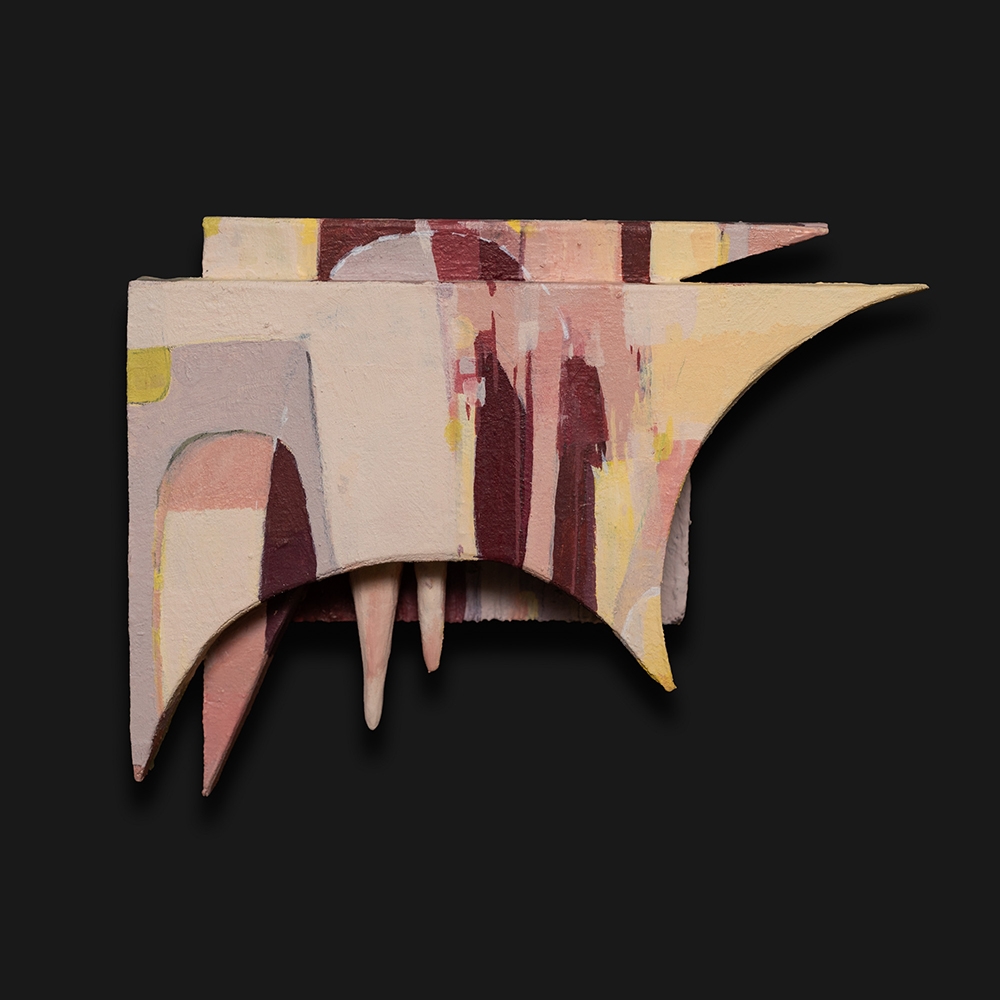
Yor Zarad 2026
Colourfix primer ink, plywood, reclaimed timber, matt varnish, gloss varnish, rare earth magnet
25 x 21 cm
$320 Sold
 Sold
Sold
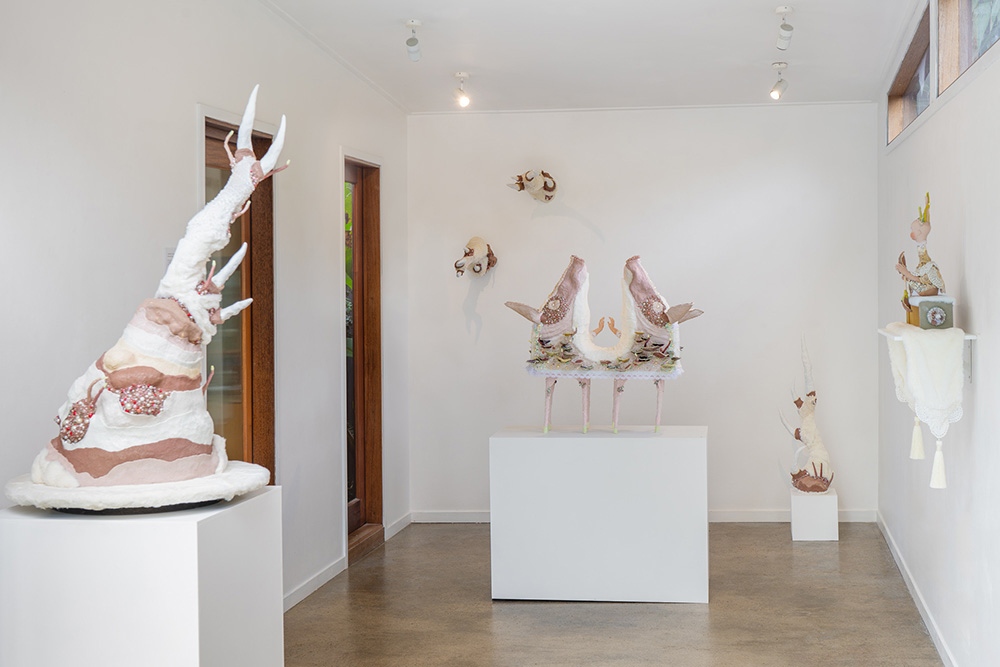
The ecstasy of Gold 2026
Colourfix primer ink, plywood, reclaimed timber, matt varnish, gloss varnish, rare earth magnet
12 x 14 cm
$220 Sold
Install view
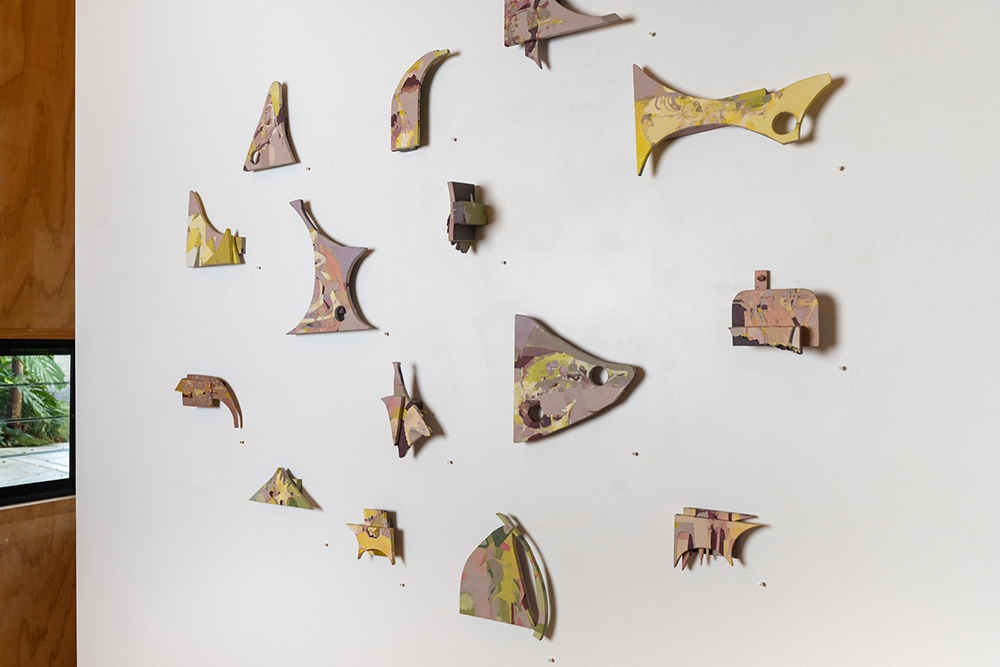
Install view